
"Wilde in exile"
142700 article(s) found

Count the boutique coffee beans that are more precious than the Blue Mountains.
Coffee name: Napoleon Origin: British St. Helena (Saint Helena Island, the claustrophobic island where the hero Napoleon was exiled) Farm: Napoleon Farm Variety: Bourbon Coffee name: blue Elise (Elise Blue) Origin: French New Caledonia (New Caledonia Island) Farm: Caf Kua

The flavor and taste of Ugandan coffee beans the characteristics of the manor producing area introduce the fine coffee beans of Uganda
The people of all parts of Uganda resisted the British aggression tenaciously. In 1893, Britain sent troops to occupy the Kingdom of Bunioro, and King Kabarega led some of the people to wage guerrilla warfare for six years. In 1897, King Mwaanga of Buganda raised his army against Britain and later joined Kabarega in the Rango region. In April 1899, the two kings were captured and the uprising failed. To make it easier to rule

Description of flavor of Yejia Fischer coffee beans introduction of varieties produced by grinding scale
Yega Ficher Coffee Bean Flavor description Taste Grinding scale Regional Variety introduction Haile Selassie was crowned Regent in 1916 and became King in 1928. On November 2, 1930, he was crowned Emperor Haile Selassie I. In 1936, Italy invaded again, occupied Addis Ababa, conquered Ethiopia, and Selassie went into exile in London. The Allied defeat in 1941

Boutique coffee common sense count the coffee that is more precious than Blue Mountain
Coffee name: Napoleon Origin: British St. Helena (Saint Helena Island, the claustrophobic island where the hero Napoleon was exiled) Farm: Napoleon Farm Variety: Bourbon Coffee name: blue Elise (Elise Blue) Origin: French New Caledonia (New Caledonia Island) Farm: Caf Kua
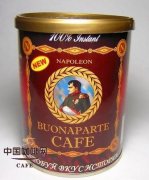
Boutique Coffee basic knowledge count the coffee that is more precious than Blue Mountain
Coffee name: Napoleon Origin: British St. Helena (Saint Helena Island, the claustrophobic island where the hero Napoleon was exiled) Farm: Napoleon Farm Variety: Bourbon Coffee name: blue Elise (Elise Blue) Origin: French New Caledonia (New Caledonia Island) Farm: Caf Kua

Coffee bean production methods coffee bean grade planning coffee bean species
Legend has it that Shek, the chief expelled by his people for crime, was deported from the mountains of Yemen in 1258. Omar, who was exiled to the remote city of Vasaba (in Arabia), when he was walking exhausted on the mountain, he found the birds on the branches making a very sweet cry after pecking at the fruit of the tree. So he boiled the fruit with water, only to send out a rich temptation.
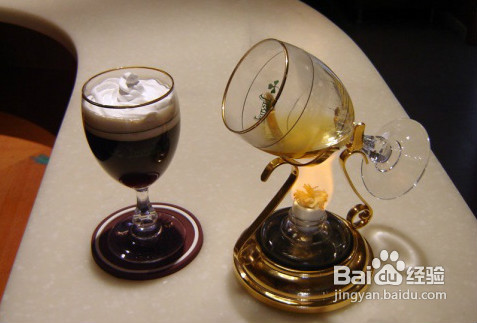
An introduction to the unique sour, bitter, sweet and mellow taste of Jamaican Blue Mountain Coffee.
The earliest coffee on the island of Jamaica came from Haiti in Latin America in 1728. By 1790, some coffee farmers among the refugees in exile from Haiti had settled in the Blue Mountains and brought coffee-growing technology here. In 1838, Jamaica abolished slavery and allowed liberated slaves to cultivate their own land. Free slaves moved to the mountains to specialize in planting.

How many kinds of coffee do you know that are more precious than the Blue Mountains?
Coffee name: Napoleon Origin: British St. Helena (Saint Helena Island, the claustrophobic island where the hero Napoleon was exiled) Farm: Napoleon Farm Variety: Bourbon Coffee name: blue Elise (Elise Blue) Origin: French New Caledonia (New Caledonia Island) Farm: Caf Kua

Special thick and mellow civet coffee flavor description, roasting degree, taste characteristics
In Indonesian, Kopi means coffee, and Luwak is the name of the civet commonly known in Indonesia. It is said that the coffee produces no more than 500 pounds a year, and the price per pound ranges from $300 to $800, depending on the year, because there is not a fixed production every year. In the international market, Luwak coffee has always been a veritable luxury, the most important

Where did coffee come from? when did it flow into China?
Legend has it that Shack, a disciple of Sheckaldi, the guardian saint of the Arabian Peninsula. Omar was a highly respected and beloved chief in Moka, but was expelled by his people for committing crimes. As a result, Shake Omar was exiled to Osama in the country, where he stumbled upon the fruit of coffee in 1258. One day, Omar was walking hungry in the mountains.
Coffee Culture Story: Paris Cafe
There are probably more cafes in Paris than any other city in the world. Walking in the streets of Paris, three steps a shop, five steps a pavilion, it is amazing. On a sunny day, people like to drink coffee under the Arbor and parasol along the street. At first glance, it is almost person-to-person, person-to-person, such as seen from a distance, more like a picture dotted on both sides of the street

Indonesian Kopi Luwak producing areas introduce civet boutique coffee beans Indonesian coffee culture
Musk cats are omnivores, they are withdrawn by nature, like to walk at night, and live in tropical rain forests, subtropical evergreen broad-leaved forests, mountain shrubs or hills, mountains and grasses below 2000 meters above sea level. Its food includes small beasts, birds, amphibians and reptiles, crustaceans, fruits and seeds of insects and plants. Civets like to choose the most mature and sweet coffee trees.

The processing Technology, Weather and Climate of Jamaica Blue Mountain Coffee
The earliest coffee on the island of Jamaica came from Haiti in Latin America in 1728. By 1790, some coffee farmers among the refugees in exile from Haiti had settled in the Blue Mountains and brought coffee-growing technology here. In 1838, Jamaica abolished slavery and allowed liberated slaves to cultivate their own land. Free slaves moved to the mountains to specialize in planting.
World boutique Cafe recommends Paris Cafe
There are probably more cafes in Paris than any other city in the world. Walking in the streets of Paris, three steps a shop, five steps a pavilion, it is amazing. On a sunny day, people like to drink coffee under the Arbor and parasol along the street. At first glance, it is almost person-to-person, person-to-person, such as seen from a distance, more like a picture dotted on both sides of the street

How does Kopi Luwak taste? brewing method brand?-is Kopi Luwak made of cat shit?
In Indonesian, Kopi means coffee, and Luwak is the name of the civet commonly known in Indonesia. It is said that the coffee produces no more than 500 pounds a year, and the price per pound ranges from $300 to $800, depending on the year, because there is not a fixed production every year. In the international market, Luwak coffee has always been a veritable luxury, the most important

Why do Parisians like "making coffee" so much?
There are probably more cafes in Paris than any other city in the world. Walking in the streets of Paris, three steps a shop, five steps a pavilion, it is amazing. On a sunny day, people like to drink coffee under the Arbor and parasol along the street. At first glance, it is almost person-to-person, person-to-person, such as seen from a distance, more like a picture dotted on both sides of the street

Floral regional flavor of Ethiopian Yega Fischer Manor Coffee Flavor
Haile Selassie was made regent in 1916 and became king in 1928. On November 2, 1930, he was crowned Emperor Haile Selassie I. In 1936, Italy invaded again, occupied Addis Ababa, conquered Ethiopia, and Selassie went into exile in London. The allies defeated Italy in 1941 and Selassie I returned home on May 5 of the same year. After the domestic coup in 1974

Introduction of Indonesian Kopi Luwak flavor and taste civet coffee from Indonesian coffee producing area
In Indonesian, Kopi means coffee, and Luwak is the name of the civet commonly known in Indonesia. It is said that the coffee produces no more than 500 pounds a year, and the price per pound ranges from $300 to $800, depending on the year, because there is not a fixed production every year. In the international market, Luwak coffee has always been a veritable luxury, the most important

A brief introduction to Jamaica Blue Mountain Coffee. Is Jamaica Blue Mountain Coffee healthy?
Following Cafe (Wechat official account vdailycom) discovered that the Cafe Beautiful opened its own shop healthy black coffee the first coffee on the island of Jamaica came from Haiti in Latin America in 1728. By 1790, some coffee farmers among the refugees in exile from Haiti had settled in the Blue Mountains and brought coffee-growing technology here. In 1838, teeth were bought

Introduction to Blue Mountain Coffee in the producing area of Silver Mountain Coffee Manor in Jamaica
The earliest coffee on the island of Jamaica came from Haiti in Latin America in 1728. By 1790, some coffee farmers among the refugees in exile from Haiti had settled in the Blue Mountains and brought coffee-growing technology here. In 1838, Jamaica abolished slavery and allowed liberated slaves to cultivate their own land. Free slaves moved to the mountains to specialize in planting.